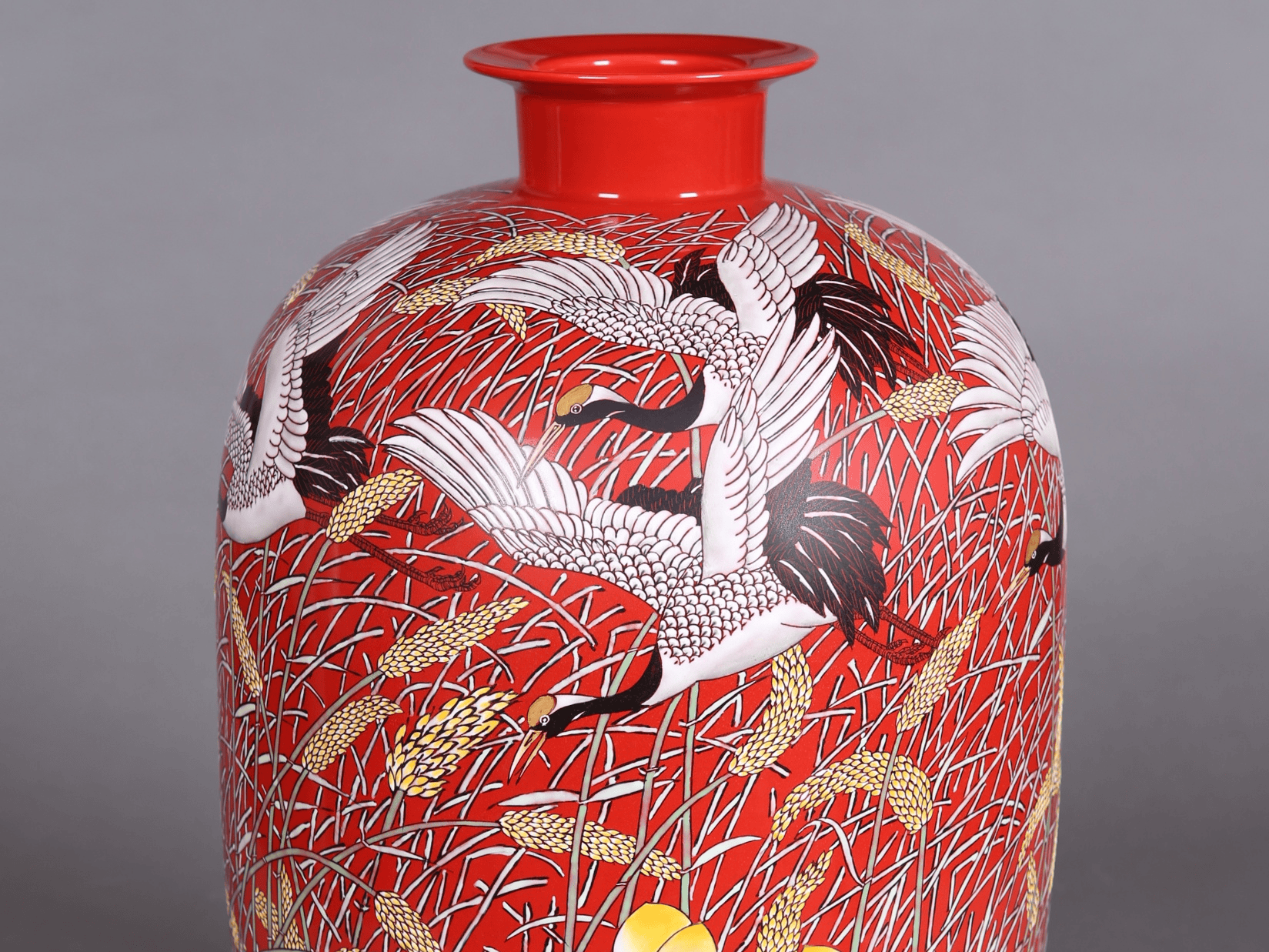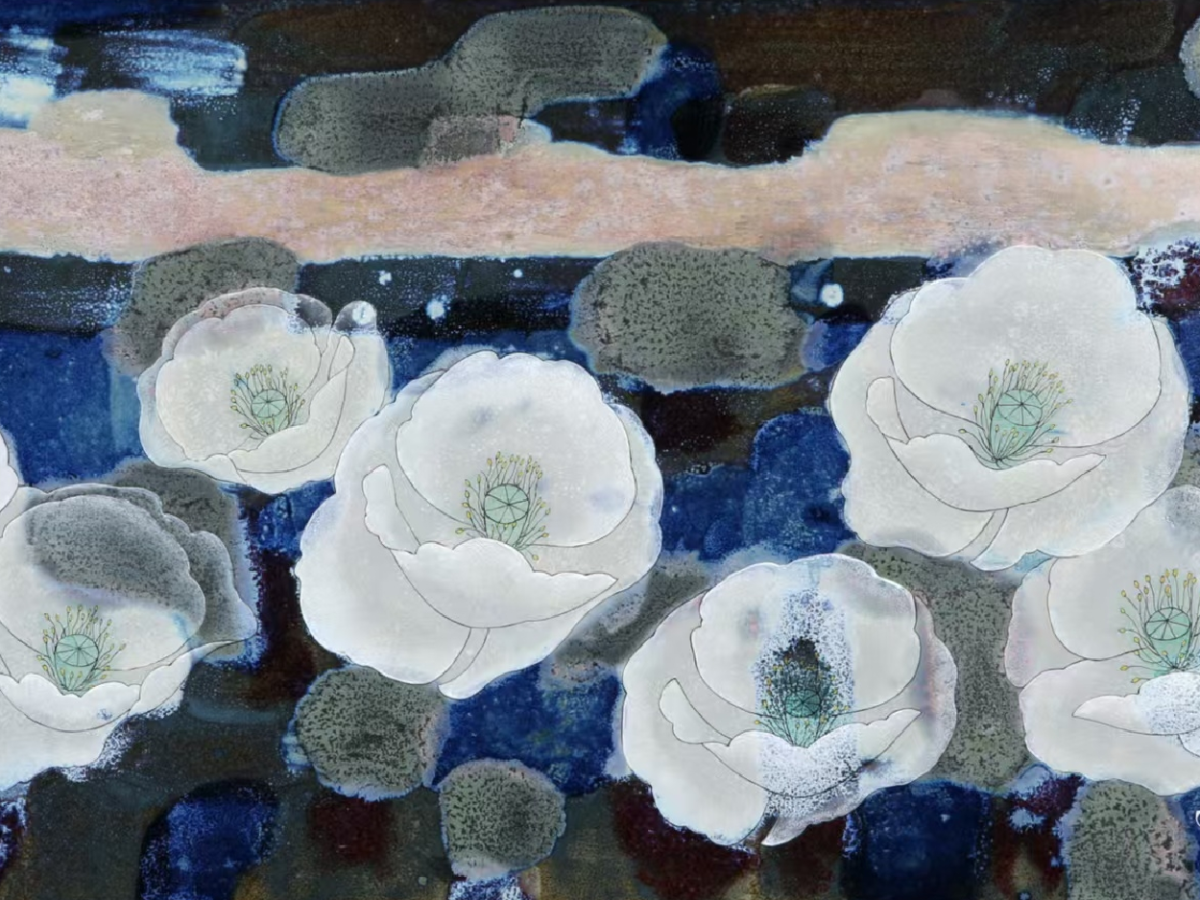
Terracotta figure symbolizes a outstanding craft version with a considerable past, spanning back innumerable of times. From ancient receptacles to up-to-date showcases, the material offers unequalled possibilities for creative presentation. Artists employ multiple techniques – including assembling, wheel operating, and advanced firing processes – to manufacture humble loam into beautiful three-dimensional pieces. The resilience of fired stoneware also contributes to its status as a truly memorable part of human custom.
Researching Ceramic Tile Styles and Procedures
The sphere of ceramic sign design offers a vast array of original possibilities. Craftsmen often exercise a assortment of established and modern techniques to create visually striking pieces. These can extend from simple, sculpted reliefs to complex, multi-layered arrangements. Popular methods include the slip cast process, hand crafting, surface glazing – which can involve a range of forms like painting before firing, surface glaze ornamentation, and etched pattern where designs are brought out by abrading a layer of finish. Additional exploration into outer appearances such as the raku firing method and lustre decoration can produce truly unique and bespoken terracotta tablets.
- Form Casting - Producing pieces using a mold
- Manual Crafting - Delicately building the soil
- The glaze process - Applying the external area with a glossy finish
- Incised pattern - Uncovering designs by excavating films
Captivating Experiences: Pottery Art Showcases
The growing landscape of art presents exciting modern avenues for observers, and ceramic art installations are at the forefront of this progression. These aren't just static objects; they are designed to envelop the participant in a sensory atmosphere. Imagine venturing into a forest of towering, polished ceramic trees, or navigating a maze of detailed ceramic vessels. Many makers are now incorporating noises, lighting, and even fragrance to enhance the impression of their work. Consider the power of a room filled with hundreds of delicately ceramic items, each telling a legend. Regularly, such installations probe themes of environment, heritage, and the individual.
- The mentioned installations blur the divisions between figure and environment.
- Viewing a ceramic art installation can be a deeply affecting journey.
- Artisans are extending the frontiers of what is possible with clay.
One Attractiveness of the Clay Holder: Function and Structure
The terracotta pot represents a impressive blend of usefulness and imaginative appeal. Historically, these pots served a basic job in storing flowers, but their transformation has transformed them into highly valued works of mastery. Each element showcases the talent of the maker, demonstrating how contour can be as important as role. The thoughtful shaping, the rare glazes, and the general presence of a skillfully-formed receptacle can raise a space, offering both elegance and a modest reminder of the designer’s hand.
Modern Earthenware Figure : Challenging Frontiers
Latest brick sculpture represents a fascinating evolution from conventional practices. Craftsmen are intensely probing with new methods, challenging the divisions between creation and distinct aesthetic categories. From considerable installations to ornate miniature pieces, these works explore themes of individuality while parallelly remodeling the fundamental of what terracotta can realize. The byproduct is a active environment of inspired presentation.
Terracotta Panel: Conserving Legacy in Porcelain
Earthenware plaques offer a special method for registering significant events and individuals. Compared to traditional metal or stone markers, these long-lasting pieces of craftsmanship are formed from fired clay, creating a substantial link to the earlier period. Habitually, they present intricate embossments or artistically decorated imagery, Jingdezhen Ceramic Cup Set illustrating stories that might otherwise be lost. An technique, rooted in ancient folk, provides a captivating and enduring way to honor our collective record.
- The described can be located in shared spaces.
- Many are now recognized historical remnants.
Earthenware Art Displays: Modifying Settings
Earthenware art installations are growing a meaningful medium for craftsmen to redefine public and private environments. These immersive installations frequently involve monumental clay designs that absorb viewers, influencing their insight of the assembled environment. By employing diverse tactics like artisanal crafting and elaborate firing ways, ceramic artists fabricate truly unique experiences, removing the lines between form and environment. The upshot is often a emotional modification that uplifts the aesthetic quality of the site and fosters interaction.
From Rotating Wheel to Wonder: The Method of the Ceramic Jar
The journey of a brick urn from a simple lump of terracotta to a elegant work of composition is a testament to human creativity. Originally, the process starts with the potter’s rotating tool, where the skilled artisan crafts the rotary mud into a cylindrical contour. This initial process demands clearness and a perceptive eye, followed by a delicate firming period. Once rough-fired, the vessel is ready for ornamentation, which may comprise glazing intricate arrangements, incising detailed scenes, or adding a array of textures. The ultimate cooking process then evolves the piece into a durable and remarkable jar, a tangible symbol of the potter's dedication.
Modeling with Terracotta: A Tutorial to Pottery Creation
Engaging the area of brick art begins with knowing the principles of forming with porcelain. One process requires methodically assembling and carving elements to produce three-dimensional structures. If you're a neophyte or a seasoned artist, playing with assorted sorts of ceramic material – for example terracotta – will support you detect your personal technique. Conclusively, stoneware modeling is a enriching path that fuses professional competence with innovative manifestation.