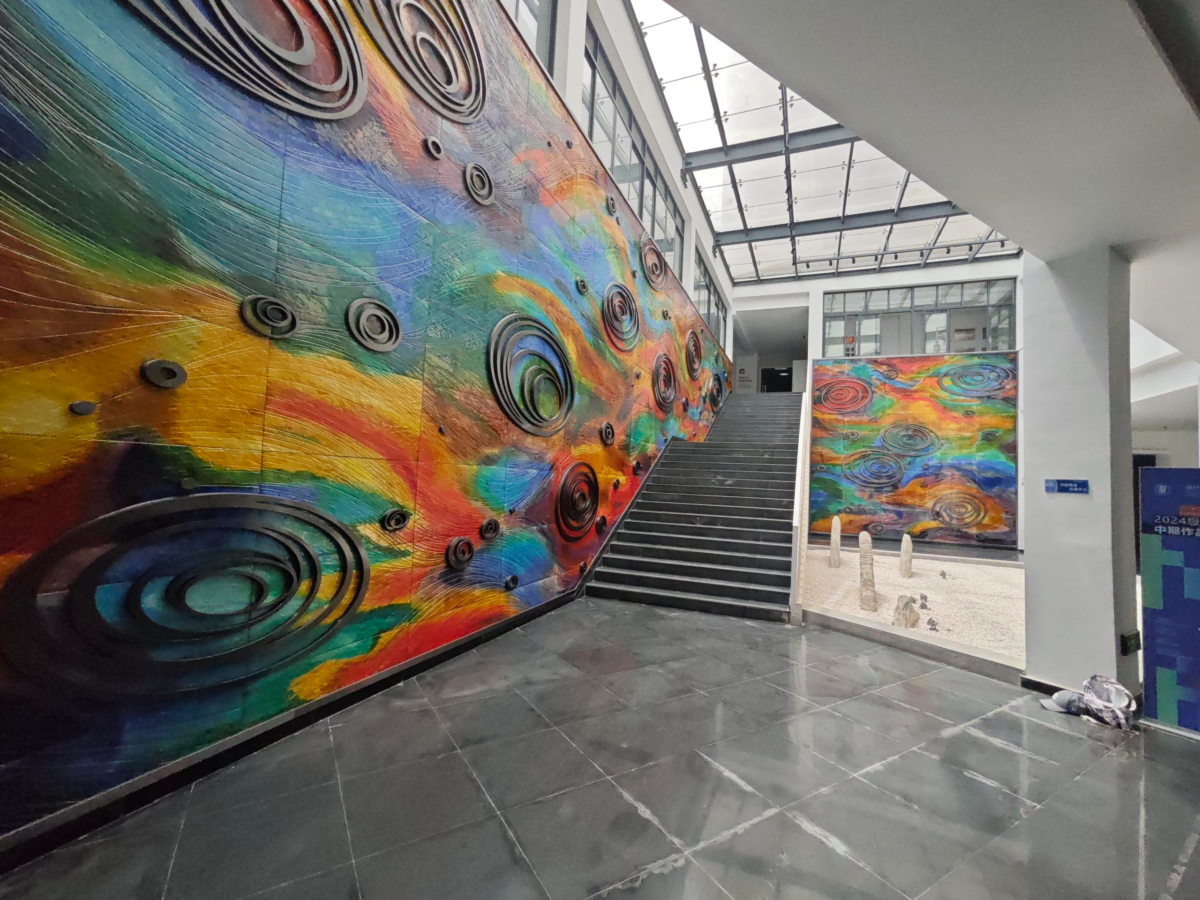
Clay creation reflects a remarkable medium category with a prolonged chronicle, stretching back numerous of decades. From ancient vessels to current showcases, the medium offers incomparable possibilities for creative performance. Creators apply wide-ranging techniques – including hand-building, wheel shaping, and developed firing processes – to craft humble clay into exquisite three-dimensional productions. The longevity of fired earthenware also contributes to its status as a truly timeless part of human custom.
Exploring Pottery Marker Arrangements and Practices
The landscape of ceramic emblem design offers a wide array of innovative possibilities. Craftsmen often apply a amalgamation of authentic and up-to-date techniques to develop visually bold pieces. These can range from simple, sculpted reliefs to complex, multi-layered arrangements. Frequently used methods include casting, artisanal shaping, surface glazing – which can involve an array of genres like pre-firing decoration, final glaze adornment, and incised illustration where designs are highlighted by excavating a layer of shell. Expanded research into exterior stylings such as cold firing and shimmer glaze can bring about truly exceptional and tailored stoneware tiles.
- Mold Making - Creating pieces using a model
- Physical Construction - Delicately building the mud
- Surface Finishing - Finishing the layer with a glossy finish
- Engraved motif - Disclosing designs by taking away layers
Fascinating Experiences: Stoneware Art Presentations
The expanding landscape of art presents exciting modern avenues for spectators, and ceramic art installations are at the vanguard of this movement. These aren't just static creations; they are constructed to envelop the observer in a sensory realm. Imagine moving inside a forest of towering, fired ceramic trees, or navigating a mesh of exquisite ceramic vessels. Many creators are now incorporating noises, radiance, and even scent to enhance the vibe of their work. Envision the power of a room filled with hundreds of hand-built ceramic pieces, each telling a narrative. Habitually, such installations examine themes of landscape, nostalgia, and humanity.
- The described installations blur the distinctions between figure and environment.
- Interacting with a ceramic art installation can be a deeply moving journey.
- Artists are redefining the limits of what is feasible with clay.
The Elegance of the Ceramic Jar: Meaning and Structure
The terracotta container represents a lovely amalgamation of utility and expressive appeal. Historically, these vessels served a minimalist duty in holding plants, but their maturation has transformed them into highly valued works of design. Each component showcases the expertise of the artisan, demonstrating how contour can be as essential as use. The precise shaping, the unique glazes, and the entire presence of a masterfully-crafted container can lift a space, offering both magnificence and a quiet reminder of the artisan’s hand.
Contemporary Clay Creation : Testing Boundaries
Current stoneware model represents a fascinating shift from classic practices. Designers are dynamically advancing with new methods, challenging the edges between form and additional craft disciplines. From monumental installations to delicate miniature pieces, those works study themes of heritage while coincidingly remaking the foundational of what clay can represent. The outcome is a vibrant world of imaginative manifestation.
Pottery Marker: Protecting Past in Earthenware
Earthenware plaques offer a special method for registering significant events and persons. Contrasted with traditional metal or stone markers, these tough pieces of work are formed from cooked clay, creating a concrete link to the former times. Frequently, they Jingdezhen Ceramics display intricate reliefs or hand-painted imagery, revealing stories that might otherwise be passed over. One technique, linked to ancient tribes, provides a stunning and enduring way to commemorate our collective record.
- The mentioned can be set in common spaces.
- Several are now considered historical treasures.
Stoneware Art Exhibits: Redefining Places
Stoneware art installations are developing a compelling medium for artists to transform public and private spaces. These immersive pieces frequently involve considerable clay figures that surround viewers, redirecting their appreciation of the created environment. By incorporating diverse ways like manual assembly and elaborate firing ways, ceramic artists fabricate truly unique experiences, erasing the divisions between work and structure. The result is often a strong alteration that raises the artistic quality of the space and promotes dialogue.
Commencement Potter's Wheel to Phenomenon: The Technique of the Stoneware Container
The journey of a porcelain container from a simple lump of dirt to a elegant work of expression is a testament to human skill. Customarily, the process starts with the potter’s spin wheel, where the experienced artisan builds the rotating soil into a cylindrical configuration. This early part demands precision and a attuned eye, followed by a delicate dehydration period. Once heat-treated, the holder is ready for decoration, which may engage decorating intricate designs, cutting detailed vignettes, or using a collection of textures. The ultimate curing process then evolves the piece into a durable and remarkable holder, a tangible demonstration of the artisan's skill.
Shaping with Brick: A Introduction to Earthenware Expression
Plunging the world of clay design begins with mastering the rudiments of shaping with ceramic material. That means includes carefully building and reducing components to make three-dimensional models. If you're a neophyte or a seasoned artist, playing with assorted varieties of pottery – particularly ceramic – will facilitate you explore your special manner. In conclusion, porcelain forming is a valuable undertaking that connects dexterous mastery with expressive exhibition.