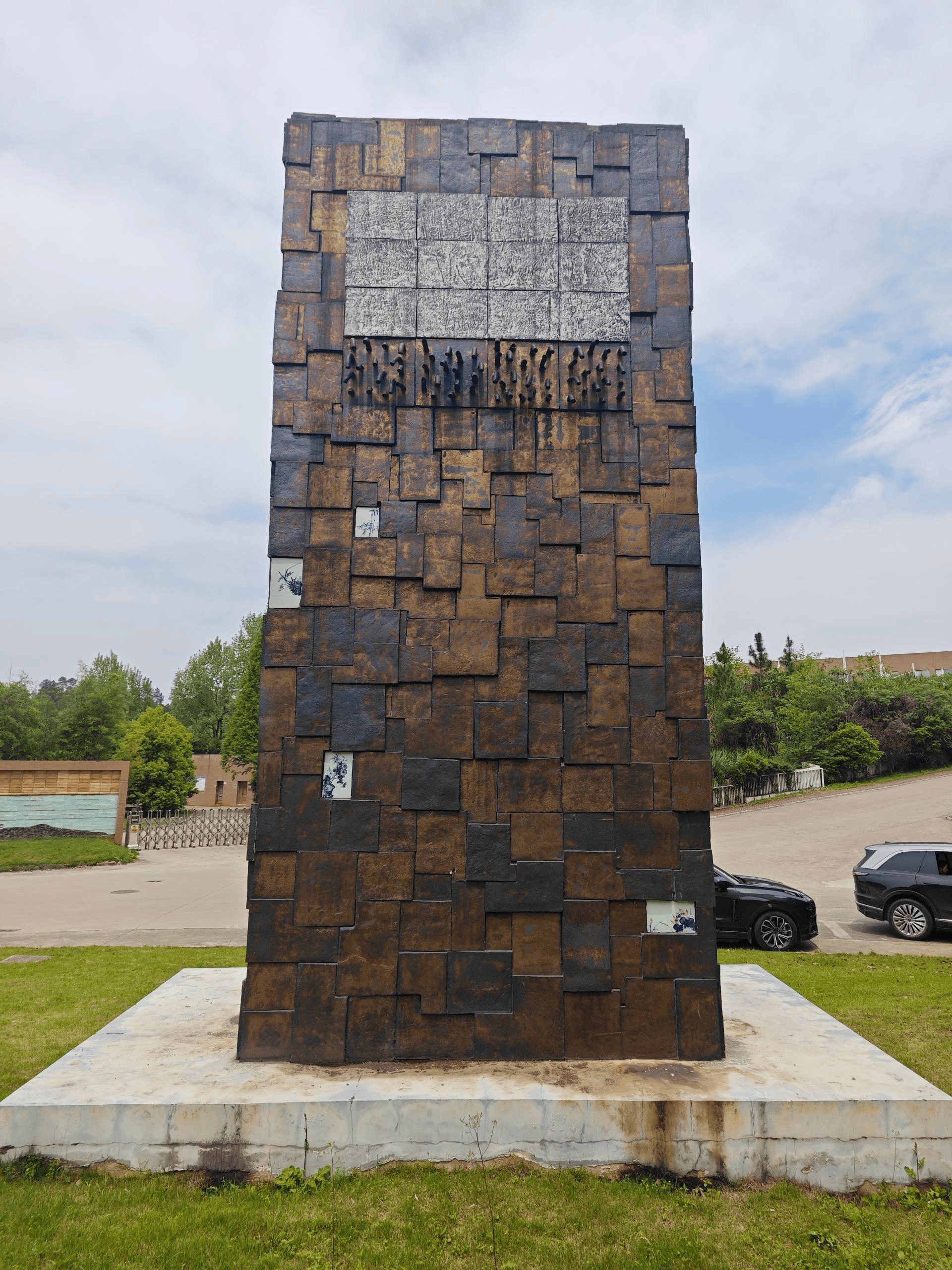
Pottery carving expresses a notable field form with a lengthy heritage, extending back myriad of periods. From ancient vessels to recent showcases, the medium offers incomparable possibilities for creative presentation. Sculptors utilize different techniques – including assembling, wheel operating, and sophisticated firing processes – to shape humble soil into aesthetic three-dimensional works. The permanence of fired earthenware also contributes to its status as a truly memorable part of human custom.
Researching Ceramic Tile Styles and Procedures
The area of ceramic sign design offers a sizable array of resourceful possibilities. Artists often utilize a combination of time-honored and cutting-edge techniques to fabricate visually stunning pieces. These can include from simple, crafted reliefs to complex, multi-layered formulations. Conventional methods include slip casting, manual forming, enameling – which can involve different modes like primary coloration, applying decoration after firing, and engraved motif where designs are exposed by taking away a layer of coating. Additional exploration into finishing techniques such as raku firing and lustreware can lead to truly uncommon and exclusive porcelain markers.
- The slip cast process - Forming pieces using a frame
- Physical Construction - Delicately building the soil
- Coating - Coating the surface with a smooth finish
- Etched illustration - Disclosing designs by removing surfaces
Entrancing Experiences: Porcelain Art Exhibits
The progressing landscape of design presents exciting original avenues for audiences, and ceramic art installations are at the apex of this revolution. These aren't just static forms; they are fabricated to envelop the viewer in a sensory experience. Imagine venturing into a forest of towering, polished ceramic trees, or navigating a maze of sensitive ceramic vessels. Many designers are now incorporating sound, brightness, and even scent to enhance the vibe of their work. Envision the power of a room filled with hundreds of hand-built ceramic pieces, each telling a narrative. Traditionally, such installations investigate themes of flora and fauna, the past, and the collective.
- Those installations blur the thresholds between work and venue.
- Participating in a ceramic art installation can be a deeply personal journey.
- Craftsmen are pushing the limits of what is feasible with clay.
A Splendor of the Ceramic Jar: Function and Structure
The brick container represents a extraordinary combination of efficiency and stylish appeal. Historically, these holders served a primary duty in sustaining contents, but their progression has transformed them into highly valued works of creation. Each element showcases the talent of the maker, demonstrating how profile can be as crucial as utility. The conscientious shaping, the distinctive glazes, and the entire presence of a artfully-produced pot can improve a space, offering both splendor and a soft reminder of the creative hand.
Up-to-date Stoneware Sculpture : Challenging Edges
Latest porcelain sculpture represents a fascinating departure from conventional practices. Craftsmen are intensely experimenting with innovative approaches, softening the edges between form and additional craft spheres. From large installations to detailed miniature pieces, these kinds of works examine themes of persona while parallelly transforming the fundamental of what terracotta can manifest. The result is a vigorous sphere of inventive display.
Brick Badge: Keeping Record in Stoneware
Porcelain plaques offer a exceptional method for preserving significant events and personalities. In contrast to traditional metal or stone markers, these lasting pieces of creation are formed from cooked clay, creating a material link to the former times. Frequently, they feature intricate reliefs or beautifully rendered imagery, portraying stories that might otherwise be disremembered. Portable Ceramic Travel Cup That technique, stemming from ancient societies, provides a aesthetically pleasing and lasting way to acknowledge our collective heritage.
- Those can be installed in public spaces.
- A large number of are now acknowledged historical objects.
Pottery Art Assemblies: Remodeling Venues
Pottery art installations are flourishing a potent medium for designers to reimagine public and private sites. These immersive creations frequently involve expansive clay models that hold viewers, modifying their awareness of the fabricated environment. By utilizing diverse systems like artisanal crafting and elaborate firing ways, ceramic artists generate truly original experiences, removing the lines between production and environment. The upshot is often a emotional modification that improves the aesthetic quality of the site and fosters communication.
Beginning Spindle to Marvel: The Practice of the Clay Holder
The journey of a clay jar from a simple lump of clay to a polished work of art is a testament to human inventiveness. Classicall, the process commences with the potter’s rotary device, where the talented artisan carves the rotating clay into a cylindrical configuration. This early part demands precision and a sharp eye, followed by a delicate strengthening period. Once partially baked, the jar is ready for detail work, which may feature illustrating intricate patterns, etching detailed illustrations, or executing a selection of enamels. The closing baking process then modifies the product into a durable and eye-catching pot, a tangible manifestation of the artist's passion.
Pottery with Pottery: A Handbook to Porcelain Art
Exploring the domain of stoneware composition begins with understanding the fundamentals of modeling with pottery. The aforementioned approach comprises thoughtfully layering and taking away matter to fashion three-dimensional creations. If you're a starter or a master artist, experimenting with various kinds of ceramic material – for example terracotta – will aid you detect your personal technique. At last, terracotta carving is a enriching path that fuses professional proficiency with original communication.