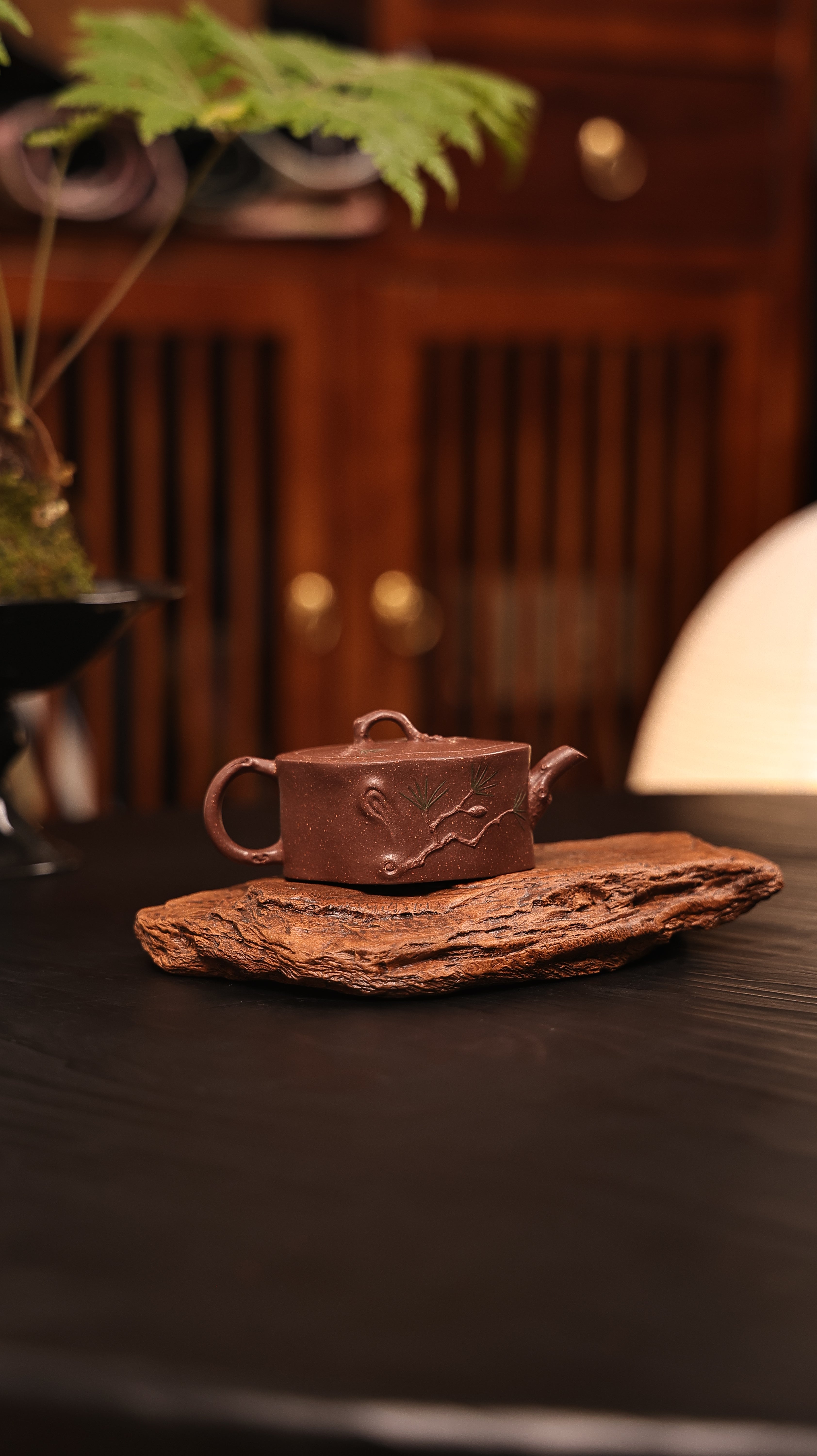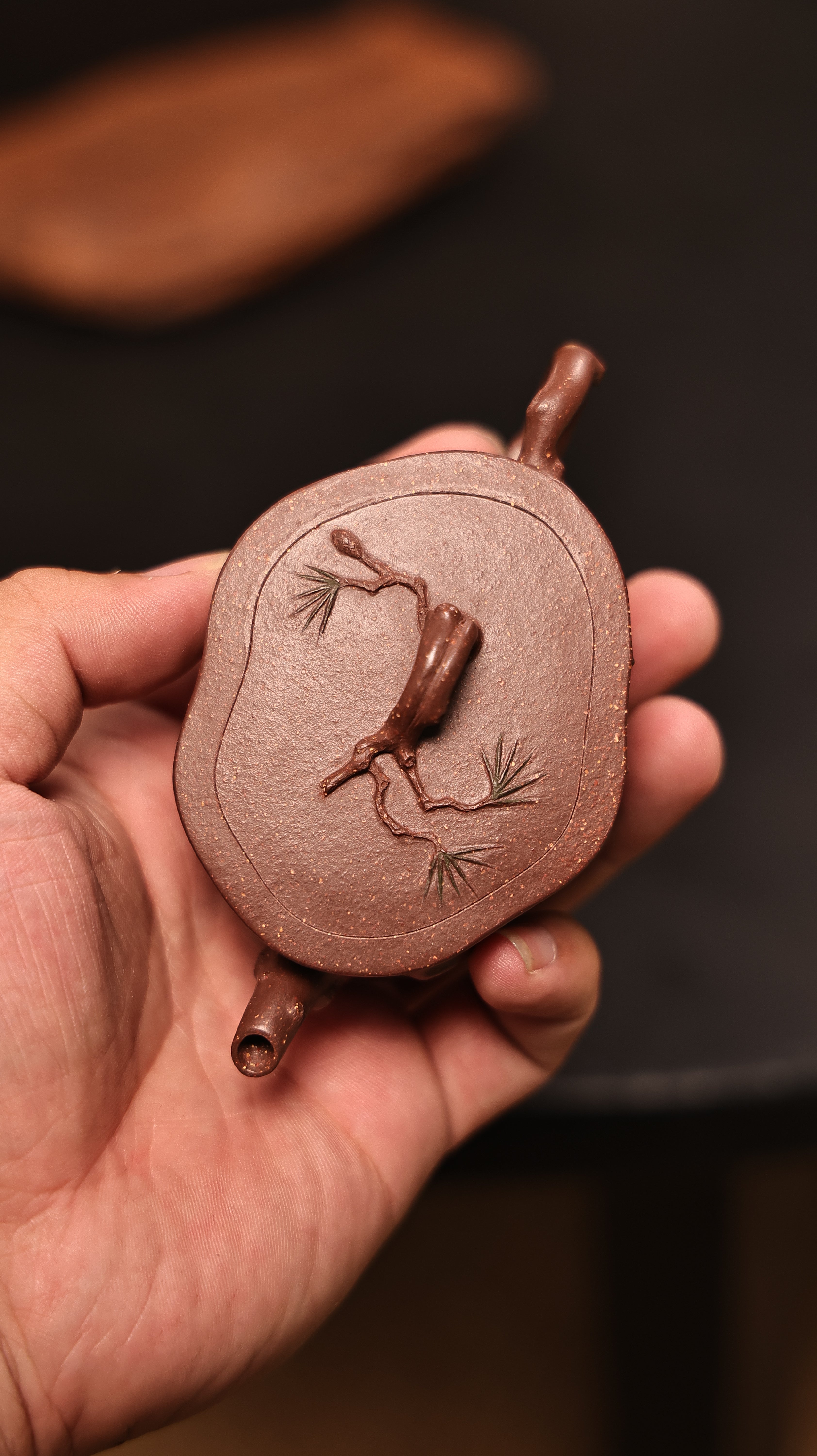
Everlasting background characterizes Eastern pottery via periods,
Representing unique traits taken out of regional plum minerals, those pots accumulate a film after operation, boosting savor released from extracted drinks.
Discovering Yixing Earth: Detailed Insights into Zisha
Many connoisseurs admire the singular quality of Yixing heliotrope clay, an essential element of ancient Chinese earthenware. Coming from the Yixing region of Jiangsu province, this exceptional clay demonstrates an delicate mineral configuration, whichever imparts exceptional qualities to the realized objects. Kinds within Zisha, including Zhuni Mud, Duan Ni Mud, and Jiang Xi Mud, each offers particular tints, consistencies, and firing traits, determining the absorption and the decisive flavor refinement of the elixir.
Far Eastern Teapot Rituals: Uncovering Craftsmanship
Celestial teapots embody greater than mere holders for concoction; they exemplify centuries of traditional mastery. From the celebrated Yixing clay variations, respected for their permeable nature which delivers exclusive notes to the concoction, to the elegant porcelain from Jingdezhen, each piece reveals a chronicle of passion. The production process is an meticulous operation, often conveyed through bloodlines of specialists. These experts use vintage methods such as hand-building, sculpting on wheels, and decorating, demonstrating profound reverence for the matter and the art itself. Think about the commitment invested in each piece as a symbol of Chinese artistry legacy.
- Zisha jugs: a classic alternative.
- Delicate ceramics teapots: valued for their graceful design.
- Constructing techniques: a arduous yet fruitful procedure.
Purple Clay Pitcher Care: Safeguarding Your Adored Belonging
Sufficient handling of your valued Yixing Zisha container is paramount to preserving its aesthetic. Crafted from exclusive purple sand earth, these fine teapots attain a deep patina after service, notably boosting their allure. Stay away from washers; a mild rinse with moderate temperature hydraulic medium is sufficient. Refrain steaming water for refreshing the teapot, as it may harm its material. Allow it to desiccate away from unfiltered sunlight. Consider breaking in your teapot regularly using select tea, especially aged varieties. Here is a brief account:
- Rinse with moderately heated aqueous solution.
- Withhold agents.
- Allow it to dry naturally.
- Condition with excellent tea.
History of Yixing Teapots: Early Beginnings
The history of Yixing teapots launches initially during the Zhao dynasty, roughly the 16th interval. Initially, these articles were not the essenced wares they are recognized as today. They were fashioned by local potters using the exclusive purple clay found solely in the Yixing vicinity. These early productions were mainly utilitarian, intended for frequent practice and often minimal in pattern. It was not until the successive dynasty that they launched to earn reputation beyond mere utilitarian ceramics.
Picking the Right Zisha Teapot: A Fundamental Overview
Navigating the universe of Yixing teapots can be overwhelming, but don't worrying! For apprentices, the vital factor is understanding the substrate. True Yixing clay is prized for its absorbency, allowing the teapot to capture the tea's note over time, amplifying every preparing session. Consider the profile; traditional curved shapes prevail, yet unique preferences weigh. Lastly, inspect the sheen—while some favor an uncooked appearance, others favor a faint gloss. Take your time in the procurement process—this is an purchase in a valued piece of fabrication.
Chinese Purple Containers and Their Influence on Chinese Concoction Custom
Zisha teapots, produced from Yixing, China, have profoundly molded traditional Chinese concoction culture. These Yixing clay teapots, prized for their recognizable pigment, feel, and exceptional ability to impart a subtle savor to the drink, symbolize more than mere receptacles; they are valued pieces of art and symbols of distinction. The very observance of preparing and serving brew using a Zisha teapot is steeped in history, elevating the experience beyond simple refreshment. Dynasties of artisans have honed their techniques, passed down through descendants, resulting in highly coveted pieces. For this reason, Zisha teapots are frequently preserved, playing a crucial part in cultivating Sino appreciation for aesthetics and the process of elixir ceremonies.
- Characteristic Clay Composition
- Adding Subtle Flavor
- Elegant Craftsmanship
Establishing Legitimate Sought-After Eastern Jars
Acquiring a certified Yixing teapot can be a Yixing Teapot gratifying experience, but the arena is often swamped with fakes. Detecting between a legitimate antique and a up-to-date reproduction requires exacting inspection. Key signs include the clay's auburn shade, often displaying tiger skin marks, and the shortage of modern firing imprints. The contour should reveal natural grace, reflecting the traditional Yixing approach. Finally, checking the maker's seal is key to verify authenticity against known citations.
- Assess the clay's fabric.
- Look for imperfections, indicative of manual quality.
- Hire an consultant for confirmation.
Purchasing Native Teapots: A Thorough Reference to Ceramics Awareness
The realm of Eastern Zisha earthenware delivers a noteworthy opening for educated admirers. Consistently, the value of these traditional artifacts is guided by multiple considerations, such as the standard of composition, the dexterity of the potter, the historical importance, and, naturally, the present demand. Novices should emphasize on studying the multiple classes of Zisha clay—such as Frozen River, Peaceful Container, and Ruby Mud—and exploring the aspects linked to each. Exact analysis of the container's figure, shade, and stamp is additionally crucial to make informed considerations when investing.