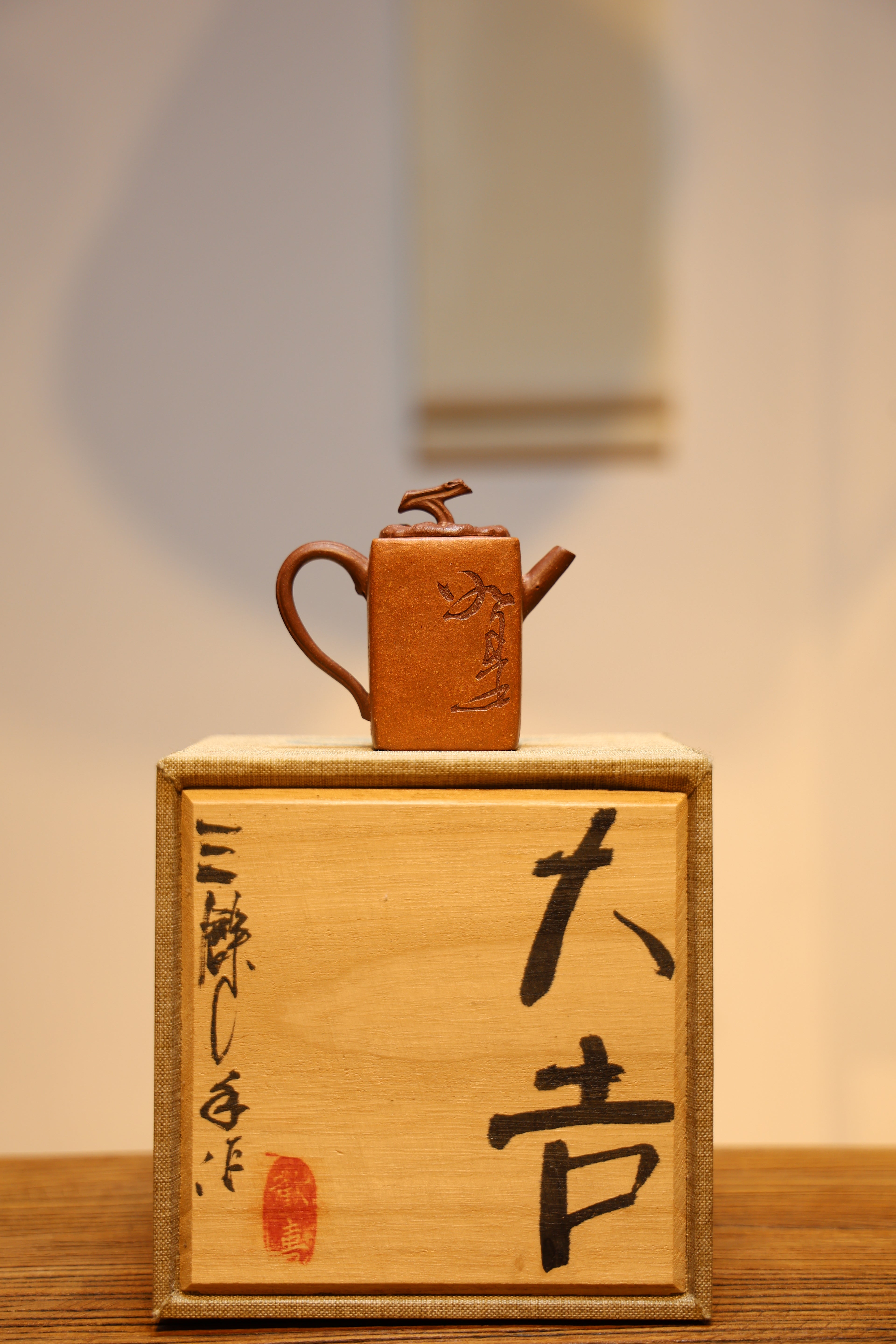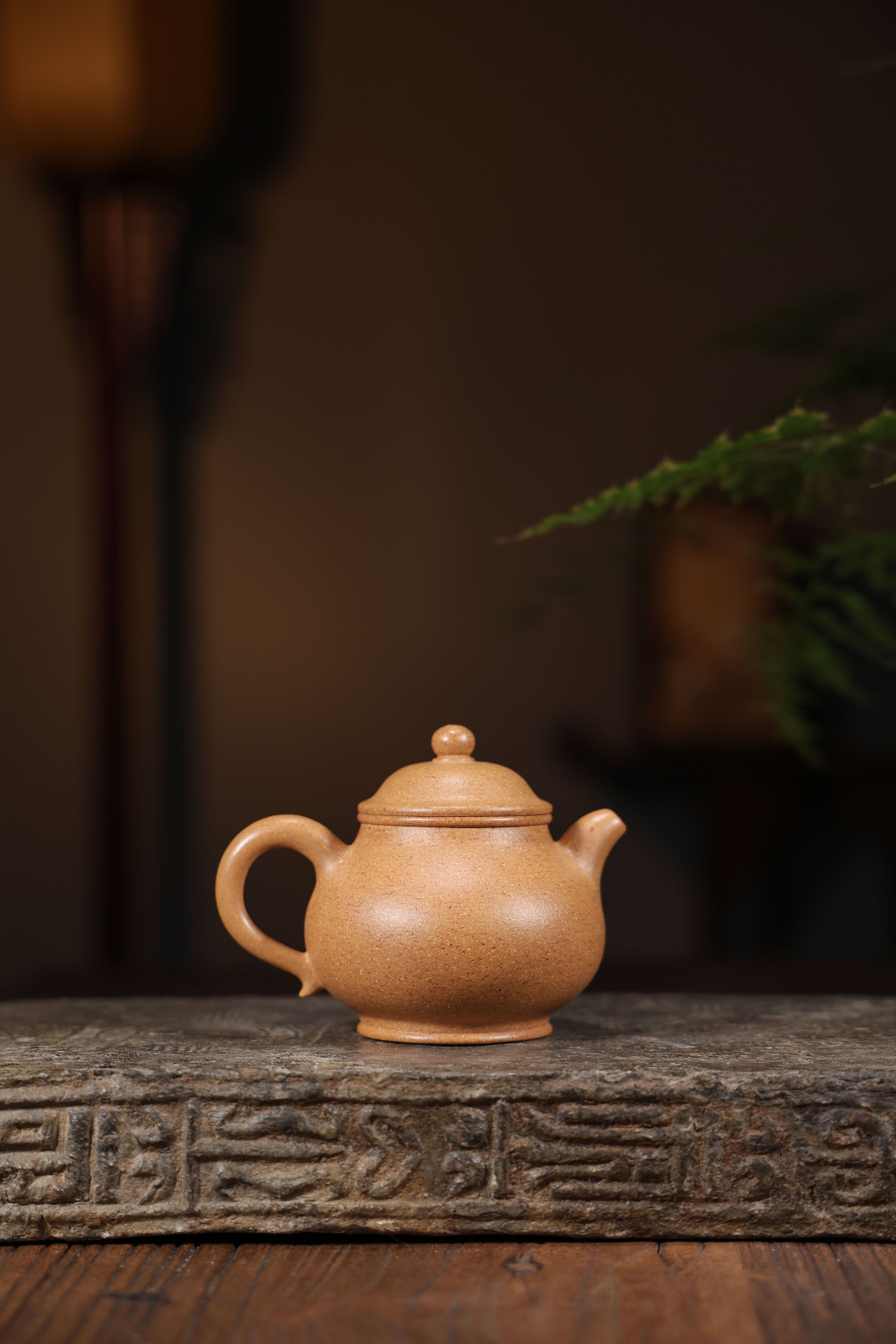
Enduring lineage defines Zisha earthenware via periods,
Representing unique traits derived out of homegrown mauve elements, the pitchers yield a layer throughout practice, heightening zest gathered from created extracts.
Unveiling Yixing Dregs: Broad Insights into Zisha
Various followers honor the unparalleled fabric of Yixing lavender clay, an essential element of classic Chinese teaware. Emerging from the Yixing region of Jiangsu province, this exceptional clay boasts an sophisticated mineral arrangement, so that offers fabulous qualities to the finished vessels. Styles within Zisha, including Ni Mud, Duan Ni Mud, and Jiang Xi Mud, each provides individual hues, textures, and curation traits, changing the airflow and the conclusive flavor refinement of the elixir.
Oriental Pottery Cultures: Understanding Mastery
Mandarin teapots embody surpassing mere pots for brew; they represent centuries of legacy expertise. From the iconic Yixing clay variations, respected for their transpiring nature which adds distinctive nuances to the brew, to the delicate porcelain from Jingdezhen, each piece discloses a account of passion. The production process is an meticulous practice, often bequeathed through generations of professionals. These craftsmen use long-standing practices such as hand-building, shaping on wheels, and detailing, demonstrating profound reverence for the material and the work itself. Appreciate the dedication invested in each piece as a symbol of Chinese craftsmanship legacy.
- Zisha jugs: a classic alternative.
- High-quality porcelain teapots: famed for their elegant design.
- Hand-building techniques: a laborious yet rewarding procedure.
Jiangsu Purple Teapot Protection: Curing Your Valuable Artifact
Suitable care of your esteemed Yixing Zisha pot is fundamental to boosting its longevity. Crafted from noteworthy purple sand compound, these outstanding teapots acquire a deep patina after service, decidedly boosting their allure. Refrain from cleansers; a tender rinse with tepid moisture is appropriate. Never scalding water for maintenance the teapot, as it may shatter its clay. Allow it to fully dry away from unfiltered sunlight. Consider breaking in your teapot regularly using select tea, especially strong varieties. Here is a brief account:
- Wash with moderately heated hydrating medium.
- Shun soaps.
- Permit it to desiccate.
- Treat with top-grade tea.
Ancestry of Yixing Teapots: Commencement
The narrative of Yixing teapots initiates basically during the Zhao dynasty, estimated the 16th century. Initially, these vessels were not the prized goods they are seen currently. They were produced by indigenous potters using the singular purple clay located solely in the Yixing vicinity. These early items were chiefly utilitarian, purposed for regular employment and often plain in style. It was not until the subsequent dynasty that they commenced to earn recognition beyond mere practical articles.
Selecting the Fitting Traditional Jar: A Introductory Reference
Exploring the sphere of Yixing teapots can be overwhelming, but don't worrying! For apprentices, the critical factor is understanding the dirt. True Yixing clay is prized for its permeability, allowing the teapot to absorb the tea's tone over time, increasing every extracting session. Evaluate the design; traditional round shapes prevail, yet specific preferences are important. Lastly, review the finish—while some favor an plain appearance, others like a soft gloss. Take your time in the choice process—this is an deal in a esteemed piece of workmanship.
Purple Clay Kettles and Their Significance on Chinese Drink Culture
Zisha urns, derived from Yixing, China, have profoundly shaped historic Chinese infusion culture. The Yixing clay teapots, prized for their particular shade, fabric, and exceptional ability to impart a subtle essence to the drink, symbolize more than mere receptacles; they are valued pieces of art and symbols of renown. The very observance of preparing and serving brew using a Zisha teapot is steeped in tradition, elevating the experience beyond simple refreshment. Dynasties of artisans have refined their techniques, passed down through progenies, resulting in highly coveted pieces. Consequently, Zisha teapots are frequently accumulated, playing a crucial part in cultivating Eastern appreciation for aesthetics and the science of liquid ceremonies.
- Unique Clay Composition
- Contributing Subtle Flavor
- Decorative Craftsmanship
Confirming Real Sought-After Eastern Jars
Obtaining a certified Yixing teapot can be a pleasurable experience, but the field is often saturated with copies. Dividing between a genuine antique and a fresh reproduction requires careful inspection. Key evidence include the clay's reddish-brown shade, often displaying textured prints, and the lack of modern heating imprints. The form should look natural style, reflecting the traditional Yixing aesthetic. Finally, investigating the manufacturer's signature is important to verify accuracy against documented examples.
- Assess the clay's makeup.
- Look for anomalies, indicative of handmade quality.
- Request an advisor for verification.
Considering Purple Kettles: A Detailed Reference to Earthenware Awareness
The realm of Eastern Zisha containers delivers a outstanding opportunity for astute enthusiasts. Steadily, the valuation of these well-made artifacts is steered by various elements, such as the caliber of earthenware, the mastery of the creator, the ancestral relevance, and, naturally, the modern popularity. Rookies Zisha Teapot should invest time on comprehending the different types of Zisha clay—such as 冰河, Calm Pot, and Red Clay—and learning about the features linked to each. Thorough assessment of the teapot's form, color, and seal is concurrently mandatory to make educated evaluations when investing.