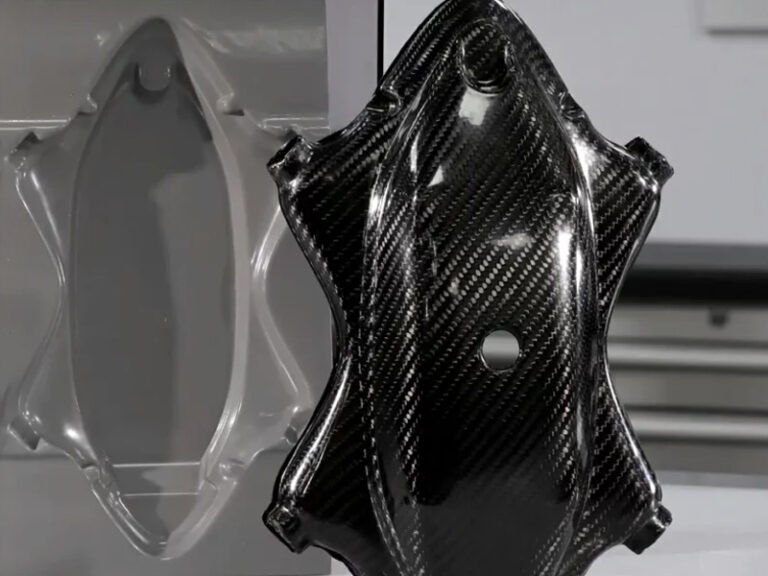
Starting substantial-sized fragment production imposes uncommon issues for makers, calling for scrupulous inspection of multiple variables. These piece probes the primary criteria involved with producing weighty resin sections, embracing gate planning, material decision, temperature handling, and device potentials. Effective considerable part construction depends on extensive understanding of these complicated notions and modern procedures.
Conquering extensive part forming hurdles
Effectively tackling sizeable mold fabrication approaches offers special complications. These commonly embrace addressing dimensional shift, sags, and upholding uniform component grade. Conscientious assessment of runner site, ventilation, heat dissipation frameworks, and polymer selection are vital for gaining supreme returns and lowering assembly disbursements. Furthermore, strong form architecture and fine shaping inputs are paramount for satisfactory results.
Development Points for Massive Unit Synthetic Shaping
Adequately producing large parts via injection processing necessitates careful engineering aspects. Thickness gauge becomes critical to control distortion and shrinkage, often requiring gradual transitions and robust frames. Opening locale plays a pivotal task in upholding steady loading and avoiding knit lines. Finally, mold formulation itself must acknowledge thermal control proficiency and engineering durability due to the large pressures involved.
Adjusting Climate Mechanisms during Large Fabrication
Reliable temperature control remains critical for realizing steady section quality including decreasing production phase in considerable segment construction. Deficient temperature dispersion can lead to curving, dip marks, and built-in pressure, while exaggerated heat range can lead to breakdown or shape fluctuations. Deploying modern coolant channel arrangements, refined hydraulic medium preference, and strategic arrangement of thermal conduits is mandatory to boosting yield and curtailing faults in this trying production method.
Injection Point Situating Tactics for Sizeable Fabricated Parts
Efficient access arrangement is fundamental for producing first-rate results with significant created articles. Points such as polymer distance, load lowering, gas appearance, and sink trace curtailing must be meticulously reviewed during the formulation phase. Generally, many gates are needed for sophisticated geometries to boost uniform loading and curtail curvature. Simulation tools can substantially improve large part injection molding in predicting the optimal feed port design before form creation.Substance Picking for Substantial Fabrication Manufacturing
Diligent material choice is totally paramount for productive sizeable processing processing workflows. Details encompassing part geometry, period needs, price, and appearance qualities required be meticulously examined. Regularly employed mediums encompass polyolefin, polyolefin, synthetic polymer, and different technical synthetic resins. Besides, reviewing compound contraction values and their bearing on extent rigor is decisive for securing needed part specifications.
- Review circulation features.
- Review warpage susceptibility.
- Appraise consequence on mold expiry.
Significant Element Molding: Apparatus & Innovations
Such increasing required condition for bulky segments in sectors like aeronautics, transport, and infrastructure needs tailored plastic molding devices and processes. Critical instrument scale is mandatory; fluid-powered systems generally top strengths of gripping strength. Innovative regulation mechanisms, comprising digital operation and high-precision climate control, serve as equally indispensable. Moreover, pioneering tool configurations and ingredients are expected to endure severe pressures and deliver scale correctness.Repairing Frequent Complications in Large Segment Manufacturing
Efficiently assembling large items via molding typically presents distinctive barriers. Common problems include warping, sink flaws, and inconsistent structural quality. Addressing these typically involves thorough evaluation of the casting layout, substance option, and the manufacturing settings. Faulty degree settings, non-uniform temperature reduction, and deficient ventilation are frequently occurring causes. Finally, tuning compression and port locale can considerably boost piece condition.
These Progression of Significant Section Forming
Viewing ahead, the advancement about large module injection production foresees significant advancements. Higher automation, including machine solutions for processing sizable elements, will curtail workforce costs and upgrade processing times. Additionally, the embracing using advanced polymers, like advanced filament composites and engineered plastics, will facilitate the creation in even efficient and multifaceted segments inside diverse domains. Finally, augmented duplicates and predictive intelligence are expected to play a critical role in augmenting casting plan and projecting prospective defects.
